Browse Items
295 results for “free”

Samurai Screen Combat Workshop -- The Way of the Blade
Katana work for film. Proper draw, strike, and resheath. We use bokken (wooden swords) first, then move to iaito (blunt steel). I'll teach you the difference between real kenjutsu and what looks good on camera. Kurosawa insisted on realism -- the audience can feel a fake swing. Tip: Speed comes from relaxation, not tension.


Film Directing Masterclass -- Composing with the Camera
I teach directing the way I learned painting -- through composition. Where is the eye drawn? What is the relationship between foreground and background? We use storyboards, not shot lists. Every frame should be a painting that moves. Tip: Use multiple cameras. Actors perform differently when they don't know which camera is live.


Watercolor & Ink Set (Kurosawa's Storyboard Kit)
Professional watercolor set, sumi ink, and 50 sheets of storyboard paper with the frame templates I used. This is the exact setup for the Ran storyboards now in museums. Tip: Use big brushes. Small brushes make you fussy. Cinema is bold.

Storyboard & Shot Planning Workshop
I planned every frame before we rolled camera. By the time we shot, the film was already made -- the set was just a formality. We'll storyboard a five-minute suspense sequence from your script. Every shot has a PURPOSE. If it doesn't build tension, cut it.

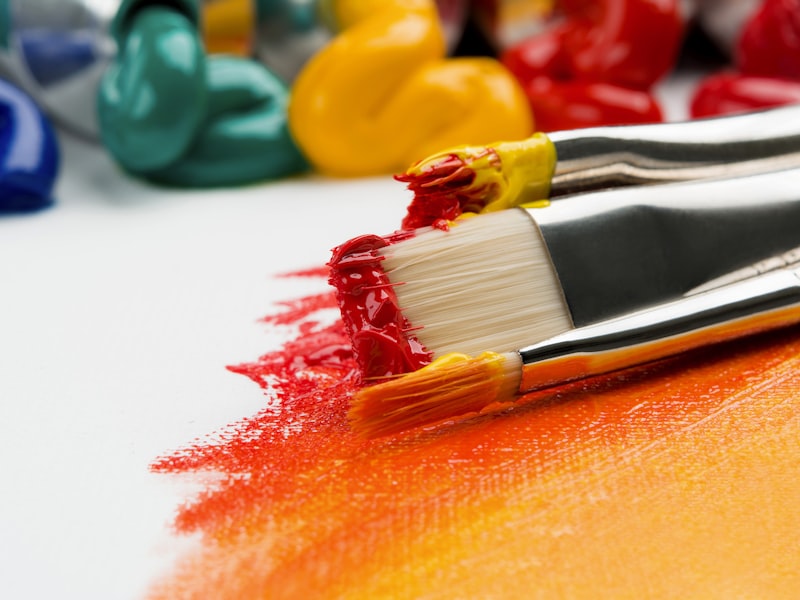
Cinematography Masterclass -- Light Is Everything
Barry Lyndon was lit entirely by candlelight using a NASA lens. The Shining used Steadicam before anyone knew what Steadicam was. 2001 invented front-projection on a scale nobody had attempted. We study how to light a scene so it tells the story before anyone speaks. Tip: Natural light is almost always better than artificial. Learn to see it first.


Photography Fundamentals -- Seeing Before Shooting
I was a Look Magazine photographer before I was a filmmaker. Still photography teaches you composition in ways no film school can. One frame. One moment. No second chances. We shoot on the street with 35mm cameras. Tip: The subject is never the subject. The LIGHT on the subject is the subject.
35mm Film Camera (Arriflex IIC)
The same model I used for Paths of Glory and Spartacus. Pin-registered gate, crystal sync motor. This camera taught me everything about exposure, framing, and the cost of mistakes (film stock isn't cheap). Comes with three prime lenses: 25mm, 50mm, and 85mm.
Kubrick Film Library (Every Film on 4K UHD)
All thirteen features restored in 4K. From Fear and Desire (1953) to Eyes Wide Shut (1999). Watch them in order and you'll see a photographer become the most visually precise director who ever lived. Start with Paths of Glory -- it's the most underrated antiwar film ever made.
Golden Age Script Collection (12 Bound Screenplays)
Bound scripts from my best films: The Philadelphia Story, African Queen, Guess Who's Coming to Dinner, The Lion in Winter, Bringing Up Baby, and more. Tracy used to say reading the script was my religion. He was right. Study these. Then throw them away and find your own truth.

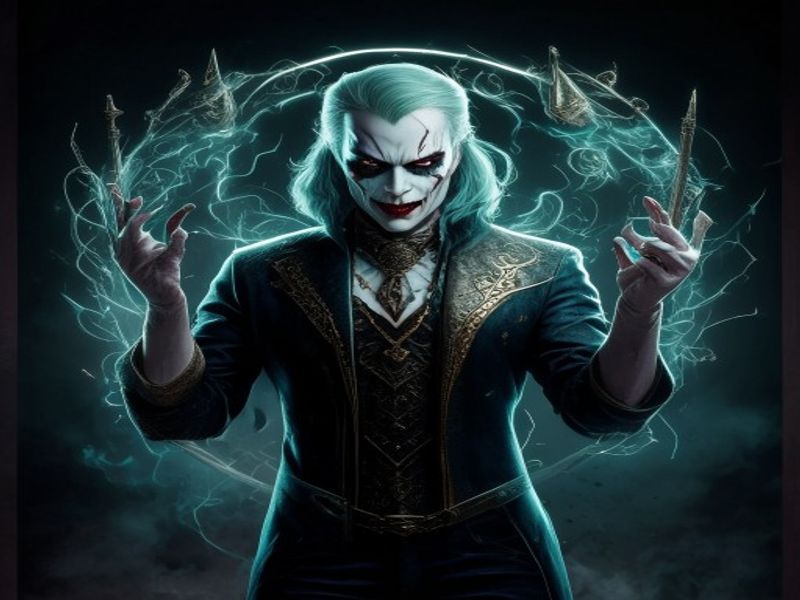
Playing the Villain -- Making Evil Magnetic
My best roles were women the audience shouldn't root for -- and did anyway. Margo Channing, Baby Jane Hudson, Regina Giddens. The secret? Villains believe they're the hero. Play their conviction, not their cruelty. We build three-dimensional antagonists in this workshop.

Voice & Delivery Workshop -- Every Syllable Is a Weapon
My voice was my signature. Clipped, precise, weaponized. I teach you to use rhythm, pause, and emphasis to make every line land. We work on monologues from All About Eve and The Little Foxes. Tip: Slow down. The audience hangs on the pause, not the word.
Golden Age Hollywood Costume Jewelry Collection
Rhinestone brooches, chandelier earrings, cocktail rings -- all screen-used replicas from the 1940s-1960s era. Each piece tells a story about the character who wore it. Borrow for period shoots, photo sessions, or just feeling dangerous.
157-168 of 295 items (page 14 of 25)